Manufactured housing could be headed for significant growth as recent changes to federal housing regulations open new opportunities for factory-built homes. Federal housing officials believe the reforms could help lower construction costs, expand housing supply, and make homeownership more accessible to Americans struggling with elevated home prices and mortgage rates.
Shares of Fannie Mae and Freddie Mac are heading toward a difficult end to September as investors become increasingly skeptical that the two mortgage finance giants will soon emerge from government conservatorship. Fresh analyst price-target cuts have added to the uncertainty, putting additional pressure on stocks that have already experienced steep declines this year.
Americans could soon face another increase in borrowing costs as the Federal Reserve prepares for a highly anticipated interest rate decision. Financial markets widely expect policymakers to raise the federal funds rate by a quarter percentage point, a move intended to combat renewed inflation pressures but one that could also make credit cards, auto loans, and certain home loans more expensive.
Americans waiting for the housing market to become more affordable may have to remain patient. Mortgage rates are now expected to stay elevated through much of 2027, while home prices could continue rising modestly, creating another difficult year for prospective buyers hoping that lower borrowing costs will make homeownership easier to achieve.
The mortgage industry is approaching one of its most significant appraisal changes in more than a decade as Fannie Mae and Freddie Mac move toward full implementation of the Uniform Appraisal Dataset 3.6 and redesigned Uniform Residential Appraisal Report. The transition will change far more than the appearance of appraisal reports. For lenders, underwriters, appraisal management companies, and technology providers, UAD 3.6 introduces a more structured, data-driven approach to ordering, reviewing, and submitting residential appraisals.
For a long time under the Obama Administration mortgagor’s under certain conditions were able to apply for a mortgage loan modification. The HAMP program is actually called the Home Affordable Modification Program.
Opinion-Editorial (Op-Ed) Disclaimer For NAMU® Library Articles: The views and opinions expressed in the NAMU® Library articles are those of the authors and do not necessarily reflect any official NAMU® policy or position. Examples of analysis performed within this article are only examples. They should not be utilized in real-world application as they are based only on very limited and dated open source information. Assumptions made within the analysis are not reflective of the position of NAMU®. Nothing contained in this articles should be considered legal advice.
For any loan processor that enjoys their work but want to increase their earning potential, it would be a great idea to look into getting started as a contract processor. There is opportunity out there to make a great living and own your own business. For some it could be an easy transition if they have already made a great name for themselves and it can be a bit harder for others but it all depends on how much you are willing to put into it.
Opinion-Editorial (Op-Ed) Disclaimer For NAMU® Library Articles: The views and opinions expressed in the NAMU® Library articles are those of the authors and do not necessarily reflect any official NAMU® policy or position. Examples of analysis performed within this article are only examples. They should not be utilized in real-world application as they are based only on very limited and dated open source information. Assumptions made within the analysis are not reflective of the position of NAMU®. Nothing contained in this articles should be considered legal advice.
There are many reasons each borrower’s identity must be verified. First, lenders must verify data integrity on the loan application, disclosures, credit, and automated underwriting findings.
Opinion-Editorial (Op-Ed) Disclaimer For NAMU® Library Articles: The views and opinions expressed in the NAMU® Library articles are those of the authors and do not necessarily reflect any official NAMU® policy or position. Examples of analysis performed within this article are only examples. They should not be utilized in real-world application as they are based only on very limited and dated open source information. Assumptions made within the analysis are not reflective of the position of NAMU®. Nothing contained in this articles should be considered legal advice.
Often, asset review is a straightforward piece of the loan analysis process. Borrowers submit recent checking and savings account statements to verify funds to close. The underwriter will review the statements for large deposits and insure the most recent balance is used to qualify.
Opinion-Editorial (Op-Ed) Disclaimer For NAMU® Library Articles: The views and opinions expressed in the NAMU® Library articles are those of the authors and do not necessarily reflect any official NAMU® policy or position. Examples of analysis performed within this article are only examples. They should not be utilized in real-world application as they are based only on very limited and dated open source information. Assumptions made within the analysis are not reflective of the position of NAMU®. Nothing contained in this articles should be considered legal advice.
When reviewing a credit report for a mortgage loan where you find derogatory credit on the credit report always find out what contributed to the derogatory credit. Loan applicants that can provide evidence that the derogatory credit was due to loss of employment or other extenuating circumstances as defined in Mortgagee Letter 2013 – 26 can obtain mortgage financing sooner than later than other applicants with the same derogatory credit.
Opinion-Editorial (Op-Ed) Disclaimer For NAMU® Library Articles: The views and opinions expressed in the NAMU® Library articles are those of the authors and do not necessarily reflect any official NAMU® policy or position. Examples of analysis performed within this article are only examples. They should not be utilized in real-world application as they are based only on very limited and dated open source information. Assumptions made within the analysis are not reflective of the position of NAMU®. Nothing contained in this articles should be considered legal advice.
When I first began underwriting in 1972 there was no such thing as credit scores. Underwriters used their best judgment when reviewing a credit report and after evaluating the history of the credit they made a decision whether or not to grant credit.
Opinion-Editorial (Op-Ed) Disclaimer For NAMU® Library Articles: The views and opinions expressed in the NAMU® Library articles are those of the authors and do not necessarily reflect any official NAMU® policy or position. Examples of analysis performed within this article are only examples. They should not be utilized in real-world application as they are based only on very limited and dated open source information. Assumptions made within the analysis are not reflective of the position of NAMU®. Nothing contained in this articles should be considered legal advice.
When underwriting a file, there are several ways to make loan notations: -The comments section on the underwriting transmittal (1008) -The loan origination system (LOS) notes -A separate underwriter rationale write up
Opinion-Editorial (Op-Ed) Disclaimer For NAMU® Library Articles: The views and opinions expressed in the NAMU® Library articles are those of the authors and do not necessarily reflect any official NAMU® policy or position. Examples of analysis performed within this article are only examples. They should not be utilized in real-world application as they are based only on very limited and dated open source information. Assumptions made within the analysis are not reflective of the position of NAMU®. Nothing contained in this articles should be considered legal advice.
Before an underwriter can determine the correct calculation for computing income, she/he must determine if there is sufficient data within the documentation submitted. The first place to reference when trying to determine whether you have the correct documents is your AUS findings. However, some findings reports give vague messages such as “refer to Fannie Mae Selling Guide”.
Opinion-Editorial (Op-Ed) Disclaimer For NAMU® Library Articles: The views and opinions expressed in the NAMU® Library articles are those of the authors and do not necessarily reflect any official NAMU® policy or position. Examples of analysis performed within this article are only examples. They should not be utilized in real-world application as they are based only on very limited and dated open source information. Assumptions made within the analysis are not reflective of the position of NAMU®. Nothing contained in this articles should be considered legal advice.
Whenever there is disaster somewhere in the United States and the President of the United States declares that area a "Federal Disaster Area”, FHA’s 203(h) program is available to all residents in the areas declared by the President as a federal disaster area.
Opinion-Editorial (Op-Ed) Disclaimer For NAMU® Library Articles: The views and opinions expressed in the NAMU® Library articles are those of the authors and do not necessarily reflect any official NAMU® policy or position. Examples of analysis performed within this article are only examples. They should not be utilized in real-world application as they are based only on very limited and dated open source information. Assumptions made within the analysis are not reflective of the position of NAMU®. Nothing contained in this articles should be considered legal advice.
When underwriting a file, there are several ways to make loan notations: -The comments section on the underwriting transmittal (1008) -The loan origination system (LOS) notes -A separate underwriter rationale write up
Opinion-Editorial (Op-Ed) Disclaimer For NAMU® Library Articles: The views and opinions expressed in the NAMU® Library articles are those of the authors and do not necessarily reflect any official NAMU® policy or position. Examples of analysis performed within this article are only examples. They should not be utilized in real-world application as they are based only on very limited and dated open source information. Assumptions made within the analysis are not reflective of the position of NAMU®. Nothing contained in this articles should be considered legal advice.



















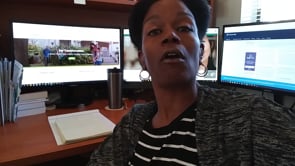




























Written By: Stacey Sprain
As an FHA originator, processor or underwriter, it’s likely that in the ongoing foreclosure market you’ll run across a HUD REO loan at some point. The purpose of this multi-part article is to provide you with some useful information to help in your endeavors.